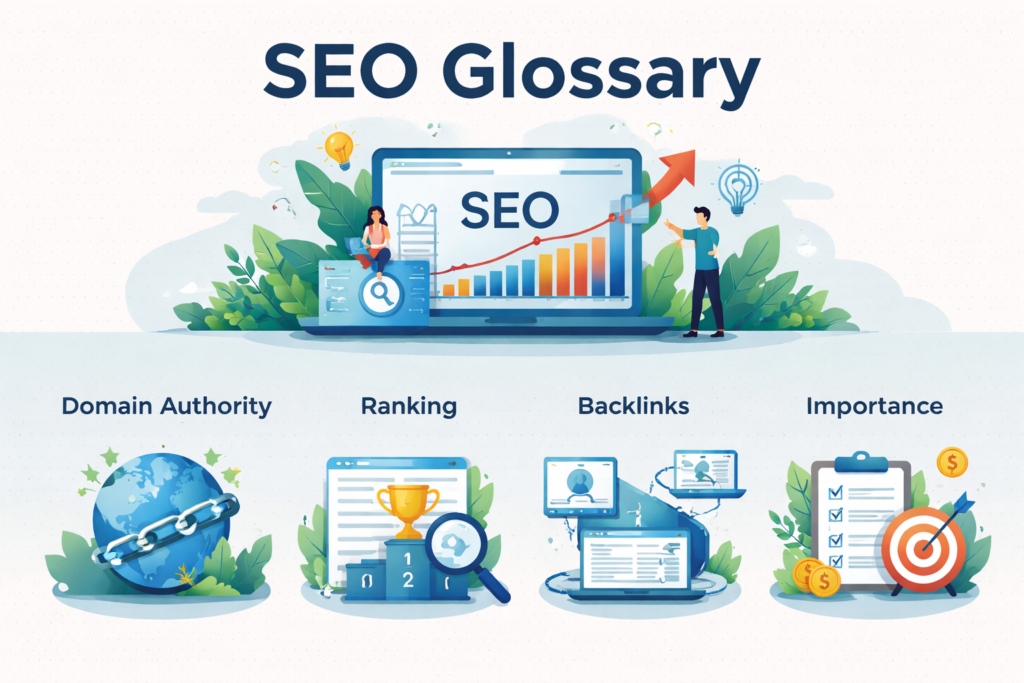
Understanding seo glossary terms domain authority ranking backlinks importance is crucial for anyone aiming to improve their website’s visibility, attract targeted traffic, and grow authority online. Many beginners think SEO is just about stuffing keywords or buying links—but in reality, it’s a mix of strategic optimization, high-quality content, and authority-building.
Imagine this: You open a store in a busy city. Your store has amazing products, but it’s tucked in a back alley. No one finds it. Domain authority is like your store’s reputation. Backlinks are recommendations from other reputable stores. And ranking? That’s how visible your store is on the main street. With the right SEO strategy, your store moves to the front, and customers start flowing in sEO glossary terms domain authority ranking backlinks importance.
This guide will take you step by step, covering all the essential terms and strategies, so you can dominate search results and confidently grow your business online.
SEO Glossary Terms Domain Authority Ranking Backlinks Importance PDF
If you prefer structured learning, downloading a SEO glossary terms domain authority ranking backlinks importance PDF is highly beneficial.
A good PDF guide will include:
- Clear definitions of core SEO terms
- Insights on domain authority, ranking, and backlinks importance
- Step-by-step strategies for beginners
- Checklists for on-page and off-page SEO
Pro Tip: Keep a printed copy or PDF on your desktop for easy reference while creating content or performing SEO audits. Highlight terms you frequently encounter to reinforce your understanding.
SEO Terminology PDF: Understanding Key Concepts
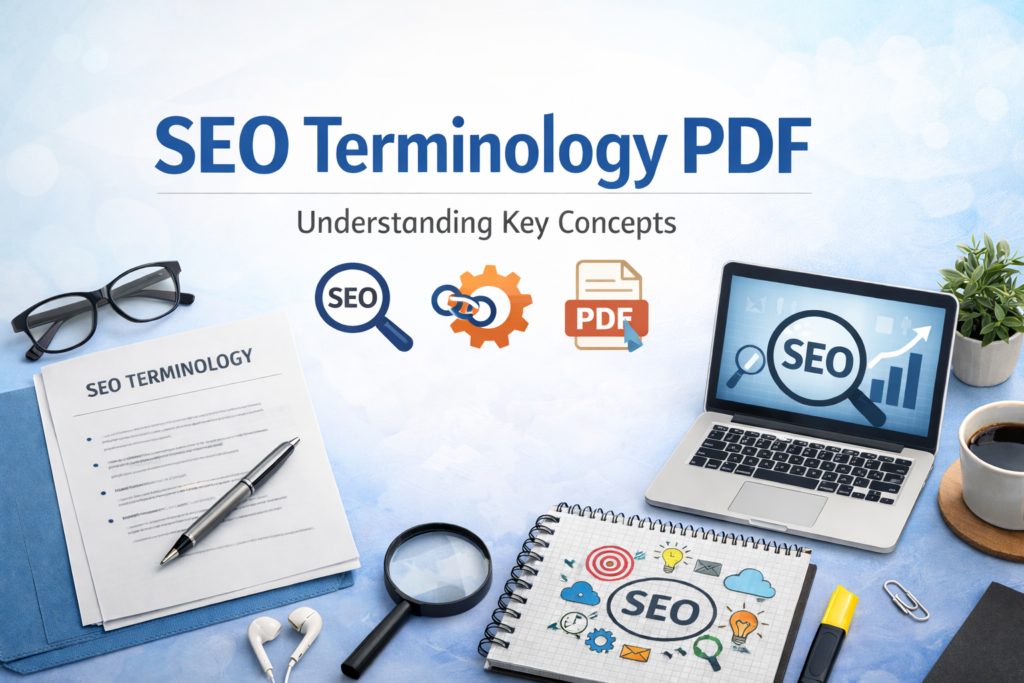
A SEO terminology PDF helps beginners and marketers consolidate their knowledge. It usually covers:
- Crawling & Indexing: How search engines discover and organize your content.
- SERP Features: Featured snippets, local packs, rich results.
- On-Page SEO vs. Off-Page SEO: Optimizing your site vs. building authority externally.
Using a structured SEO terminology PDF ensures that you understand why domain authority, ranking, and backlinks matter, rather than just implementing tactics blindly.
SEO Terms for Beginners: A Simple Introduction
Beginners often feel overwhelmed by technical SEO terms. Here’s a simplified explanation of the most important SEO terms for beginners and seo glossary terms domain authority ranking backlinks importance:
- Domain Authority (DA): A score from 1–100 predicting how well a website will rank on search engines. The higher your DA, the more authority and trust your website has.
- Backlinks: Links from other websites to yours. They act as endorsements, showing Google your content is valuable.
- Ranking: The position of your website in search results. Higher rankings lead to more clicks and visibility.
- Anchor Text: The clickable text in a hyperlink that informs search engines about the linked page’s content.
- Keyword Relevance: Using words and phrases that match the intent of your target audience.
Anecdote: A small travel blogger wanted to rank for “best hiking trails in Europe.” By building high-quality guides and getting backlinks from reputable travel blogs, her domain authority rose from 20 to 45, and she moved from page 5 to page 1, attracting thousands of readers monthly.
Top SEO Terms: Essential Vocabulary for 2026
To dominate search engines, here are top SEO terms you must understand:
- SERP (Search Engine Results Page): The page displayed after a search query. It includes organic listings, ads, and special features.
- Organic Traffic: Visitors coming to your site naturally, not through paid ads.
- Click-Through Rate (CTR): The percentage of users clicking your listing in the SERP.
- Internal Linking: Connecting pages within your website to guide users and spread link equity.
- Content Quality: Ensuring content is original, valuable, and readable for users.
Understanding these top SEO terms will help you improve ranking, backlinks importance, and overall domain authority.
Why Backlinks Are Important in SEO
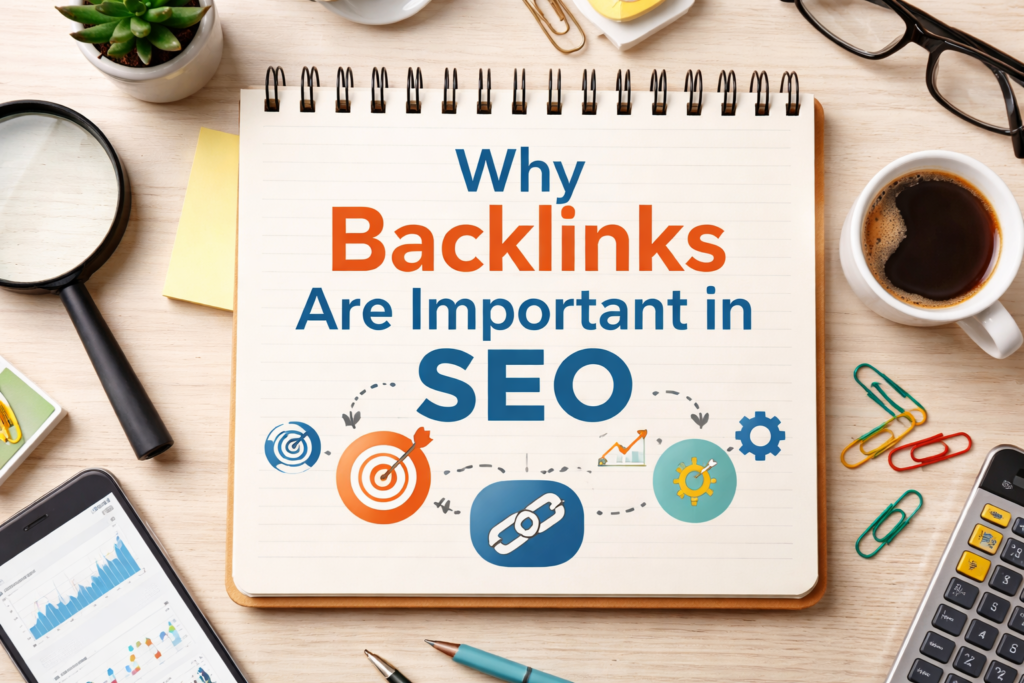
Backlinks remain one of the strongest ranking factors. Here’s why backlinks are important in SEO:
- Authority Boost: Backlinks from high-authority websites signal trust to search engines, increasing your domain authority.
- Referral Traffic: Backlinks drive targeted traffic from other websites to yours.
- Trust Signals: Quality backlinks show search engines your content is credible and valuable.
Example: Two websites cover the same topic. Website A has 10 backlinks, Website B has 200 high-quality backlinks. Google prioritizes Website B because its backlink profile shows more authority.
Read more: Why backlinks are important in SEO
SEO Terms Meaning: Decoding Technical Jargon
It’s easy to get lost in SEO lingo. Understanding SEO terms meaning prevents mistakes:
- Keyword Cannibalization: Multiple pages targeting the same keyword compete with each other.
- Structured Data / Schema Markup: Helps search engines understand content for rich results.
- Core Web Vitals: Metrics that measure page speed, interactivity, and layout stability.
- Guest Posting: Writing on other sites to earn backlinks and authority.
Tip: Knowing SEO terms meaning allows you to implement strategies confidently without hurting your rankings.
Semrush Glossary: Using Tools to Boost SEO
Tools like SEMrush simplify SEO management:
- Domain Overview: Tracks domain authority, ranking, and backlinks.
- Keyword Gap: Reveals missed opportunities vs. competitors.
- Backlink Analytics: Monitors the quality and quantity of backlinks.
- Site Audit: Identifies technical and on-page SEO issues.
Integrating a Semrush glossary into your workflow helps create data-driven SEO strategies that improve ranking and domain authority.
Anchor Text in SEO: Linking Strategy Explained
Anchor text in SEO is the clickable text of hyperlinks.
- Exact Match: Matches the target keyword. Use sparingly.
- Branded: Uses your company name.
- Generic: Phrases like “click here.”
- Long-tail: Descriptive, natural phrases giving context.
Best practice: Mix anchor text types to avoid over-optimization and maximize link value. Proper anchor text strengthens both ranking and domain authority.
Step-By-Step Guide to Improve SEO Ranking with Backlinks
Here’s an actionable roadmap to master seo glossary terms domain authority ranking backlinks importance:
- Create High-Quality Content: Write content that naturally attracts backlinks.
- Outreach for Backlinks: Approach relevant websites for guest posts or collaborations.
- Internal Linking Strategy: Pass link equity internally to other pages.
- Monitor Backlinks & DA: Track progress with Moz, Ahrefs, or Semrush.
- Optimize Anchor Text: Ensure links are descriptive and natural.
- Update & Repurpose Content: Keep content fresh, linkable, and aligned with search intent.
Anecdote: A tech blogger went from 1,000 monthly visitors to 15,000 by publishing tutorials, guest posting on high-authority sites, and using optimized anchor text. Both backlinks importance and domain authority grew steadily.
Advanced Strategies: Beyond Basics
To stay ahead in 2026:
- Leverage LSI Keywords: Include semantically related terms to boost content relevance.
- Structured Data for Rich Snippets: Highlight reviews, events, and products in search results.
- Optimize for Voice Search: Ensure content is concise and conversational.
- Improve Core Web Vitals: Fast-loading, interactive, and stable pages enhance rankings.
- Monitor Competitor Backlinks: Analyze top-performing websites to find backlink opportunities.
By seo glossary terms domain authority ranking backlinks importance combining these strategies, your website will rank higher, gain authority, and earn trust from both users and search engines.
SEO Glossary Terms Around These Concepts
To fully understand seo glossary terms domain authority ranking backlinks importance, you also need to know these supporting terms:
- Anchor Text: Clickable text of a link. Optimized anchor text tells search engines what the linked page is about.
- Keyword Relevance: Using terms that match your audience’s search intent.
- SERP Features: Special elements in search results like featured snippets, knowledge panels, or local packs.
- Core Web Vitals: Metrics like page speed and layout stability that affect ranking.
- Structured Data / Schema Markup: Code that helps Google understand your content for rich results.
Mastering SEO Glossary Terms Domain Authority Ranking Backlinks Importance
When you’re starting out in seo glossary terms domain authority ranking backlinks importance, terms like domain authority, ranking, and backlinks can feel overwhelming. But mastering them is like learning the rules of a game: once you understand the fundamentals, everything else falls into place.
Think of it this way:
- Domain Authority (DA): This is your website’s reputation score (1–100). A higher DA means your site is trusted and more likely to rank higher in search results. Imagine it as your store’s reputation in a crowded city. The better your reputation, the more people notice you.
- Ranking: This is your website’s position on a Search Engine Results Page (SERP). The higher you rank, the more organic traffic you get. Appearing on the first page, especially the top 3 results, dramatically increases clicks and visibility.
- Backlinks: These are links from other websites pointing to your site. Each backlink acts like a vote of confidence from another trusted website. The more high-quality backlinks you earn, the higher your domain authority and ranking will be.
Anecdote: Imagine you wrote a blog about “Best Hiking Boots 2026.” By getting backlinks from popular hiking blogs and outdoor gear websites, Google sees your content as trustworthy. Your domain authority rises, and your page moves up in rankings, drawing more readers naturally.
Why It Matters
Mastering these terms isn’t just about understanding jargon—it’s about applying strategies that increase your website traffic, credibility, and conversions in seo glossary terms domain authority ranking backlinks importance:
- Better Visibility: High DA + quality backlinks = higher ranking on Google.
- Targeted Traffic: Visitors coming through organic search are more likely to engage with your content.
- Business Growth: More clicks mean more leads, sales, or sign-ups.
- Competitive Advantage: Websites with higher authority outrank competitors in your niche.
Step-by-Step Guide to Mastering These SEO Elements
Here’s how you can put this knowledge into action seo glossary terms domain authority ranking backlinks importance:
- Audit Your Website’s Domain Authority: Use tools like Moz, Ahrefs, or SEMrush to check your current score.
- Create High-Quality, Link-Worthy Content: Focus on guides, tutorials, and resources that others in your niche want to reference.
- Build Strategic Backlinks: Reach out to authoritative blogs, guest post, or use PR strategies to earn natural links.
- Optimize On-Page SEO: Use keywords, meta descriptions, headers, and internal links to signal relevance to search engines.
- Monitor Your Ranking: Track SERP positions regularly to see which pages and keywords perform best.
- Update and Repurpose Content: Keep your content fresh, relevant, and comprehensive to maintain authority.
Tip: Avoid shady link-building schemes. Focus on relevance and quality. One high-authority backlink is better than 50 low-quality links.
Conclusion
Mastering seo glossary terms domain authority ranking backlinks importance is the foundation for digital success:
- Backlinks enhance domain authority and credibility.
- High domain authority strengthens your ranking in search results.
- Higher rankings lead to more organic traffic, engagement, and conversions.
Using tools like SEMrush, understanding anchor text in SEO, and implementing high-quality content strategies will help you achieve measurable results.
Ready to boost your website’s domain authority and ranking? Start creating link-worthy content, earn authoritative backlinks, and watch your website grow!